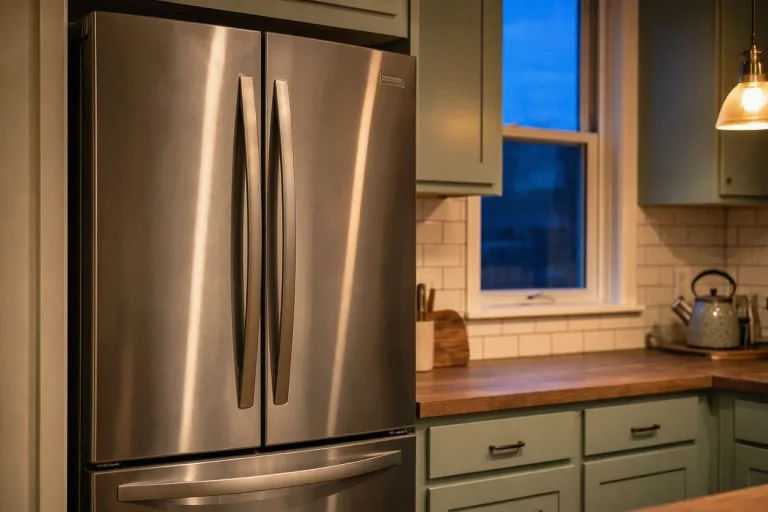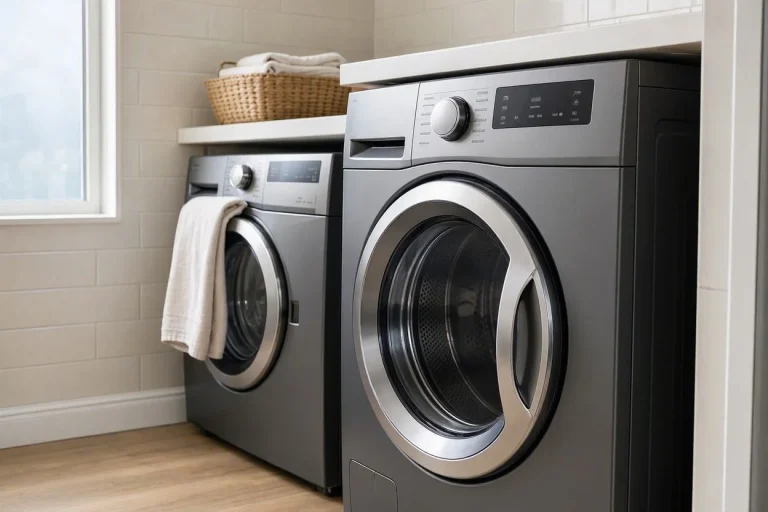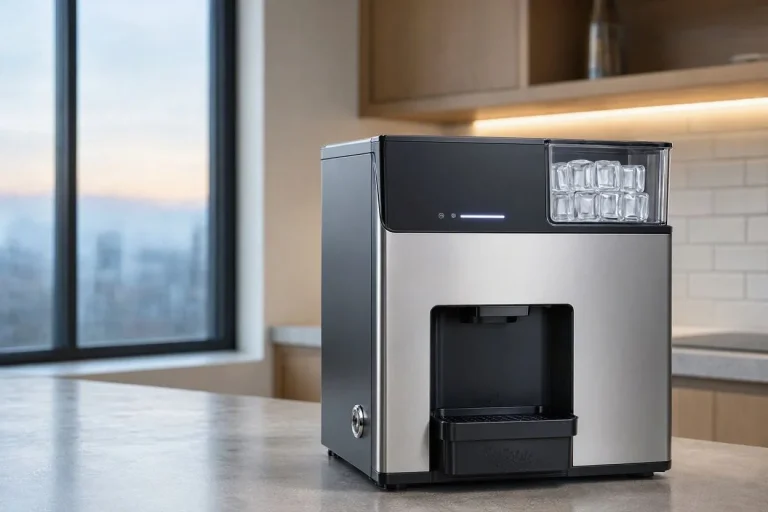
Replacing a freestanding range means measuring an opening and picking a delivery date. Replacing a 36-inch integrated column, a panel-ready dishwasher or an undercounter unit set beneath a stone countertop means a cabinetmaker, sometimes an electrician, occasionally a fabricator, and a kitchen out of service for longer than anyone budgeted. That second invoice is what tilts most of these decisions, and it rarely appears in the comparison people make before they call.
What actually goes on the replacement side of the ledger
Appliance dimensions drift between model years. A column that fits a 36-inch opening today may want a different height, a different trim kit or a different hinge side, and the opening was framed around the unit currently standing in it. Add the custom panel, built to match the room and not transferable across brands. Add electrical work, because an older house often has the receptacle in the wrong place for the new cabinet, and the water line if the old one was hard-plumbed. On undercounter equipment, add the possibility of lifting a stone top to get the old unit out. Set all of that against a control board, a fan motor, a thermistor or a door seal, and the comparison usually stops being close.
Two kitchens that show the shape of it
A Toluca Lake house from the 1930s, Spanish outside, with a kitchen remodeled into the back of it perhaps a decade ago. The cabinetry is custom, the clearances are tight, and behind all of it sits a service panel far older than the appliances. Getting a column out of that room without marking finished millwork is the real work of the visit, which is why a repair that would be marginal in a tract kitchen is clearly correct here. Replacing the unit does not end at the appliance; it ends at the carpenter.
Now a gated street in Calabasas, built in one phase in the late 1990s with the same premium package in every house. Those appliances are reaching the same age together, which is why one street can produce several near-identical calls in a season. It cuts both ways: parts for that generation still move and technicians see the platform constantly, so repairs go quickly, but when a neighbor mentions replacing the whole kitchen, remember they were solving a different problem than one failed board.
Where repair wins comfortably
- Anything electronic. Control boards, touch membranes, ribbon cables, thermistors, relays and low-voltage transformers are contained parts with contained labor.
- Anything that moves air or water. Evaporator and condenser fan motors, drain pumps, inlet valves, defrost heaters.
- Seals, hinges and springs. A gasket gone stiff, or door spring tension a heavy custom front has overwhelmed, is an adjustment or a small part.
- Ignition and heating. An oven igniter aged past the current needed to open the gas valve ranks among the most common repairs in the trade and one of the cheapest.
Where replacement starts to make sense
Sealed-system work on inexpensive equipment is the clearest case: a refrigerant leak or a seized compressor takes certified hours, and on an entry-level unit the number can approach what a new machine costs. Parts obsolescence is the second. Where a component has genuinely left the supply chain you will be told so plainly, rather than paying for a hunt that ends nowhere. And a machine producing two or three unrelated failures inside a year is telling you something no single quote captures.
Five questions that usually settle it
How old is the unit, and how much of its expected life remains? Would replacing it disturb finished cabinetry, or can it roll out on a hand truck? Is the panel or trim reusable? Are parts for the platform still made? And how does the repair quote compare with the full replacement number including the trades, rather than with the advertised price of a new appliance? Answer those honestly and the decision usually makes itself.
The charge for the diagnosis is disclosed when you book and comes off the repair price if you go ahead. The repair itself is quoted as one total covering the parts and the hours, set after diagnosis rather than estimated ahead of it, and it carries a written warranty. Where the money would be better spent on a new unit, you will hear that as well, which is rather the point of the visit.
Call (818) 000-0000 and describe the installation along with the problem: what is fitted into what, and what would have to come apart. Our technicians are manufacturer-trained on the platforms they service and EPA Section 608 certified for sealed-system work.